
MADE IN THE UK
50 YEARS EXPERIENCE
QUICK TURNAROUND
PROFESSIONAL ADVICE
REPUTABLE SUPPLIER
Specialists in bespoke glass-fibre reinforced plastics (grp)
- Use code FIRSTGRP5 for 5% off your first order!
Trusted GRP Specialists

A History of Fibreglass & GRP Mouldings
Fibreglass and Glass Reinforced Plastic (GRP) mouldings have become essential materials in various industries due to their durability, versatility, and cost-effectiveness. The development of these materials dates back to the early 20th century, with significant advancements occurring over the decades. This article explores the fascinating history of fibreglass and GRP mouldings, tracing their evolution and highlighting their modern applications.
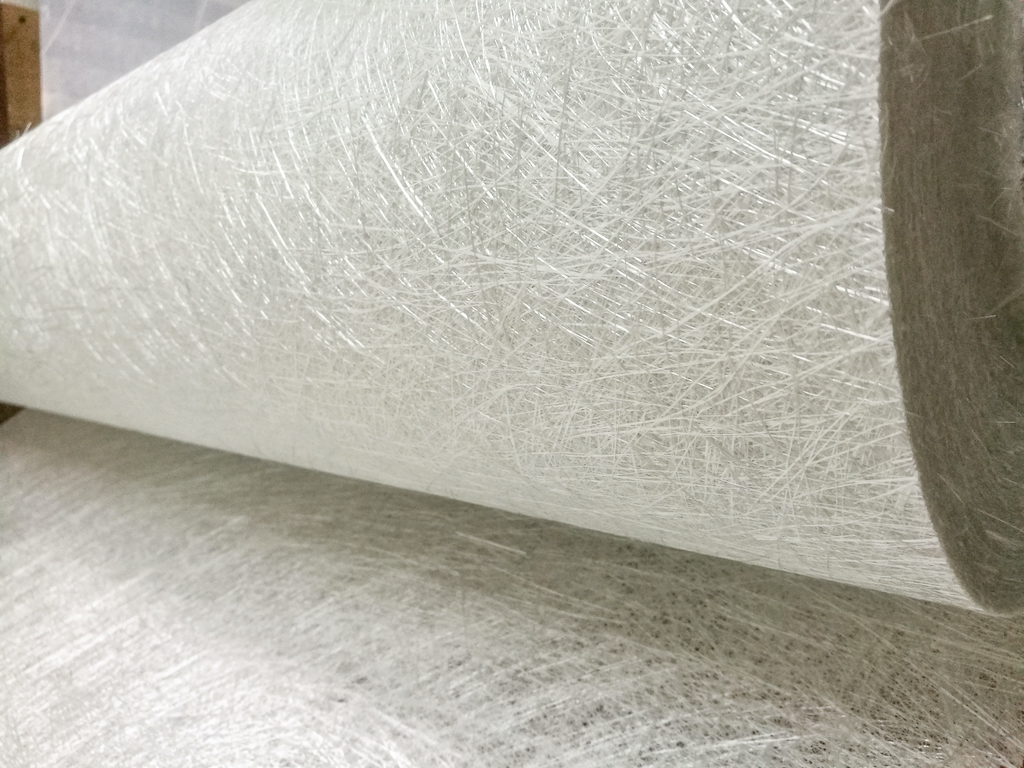
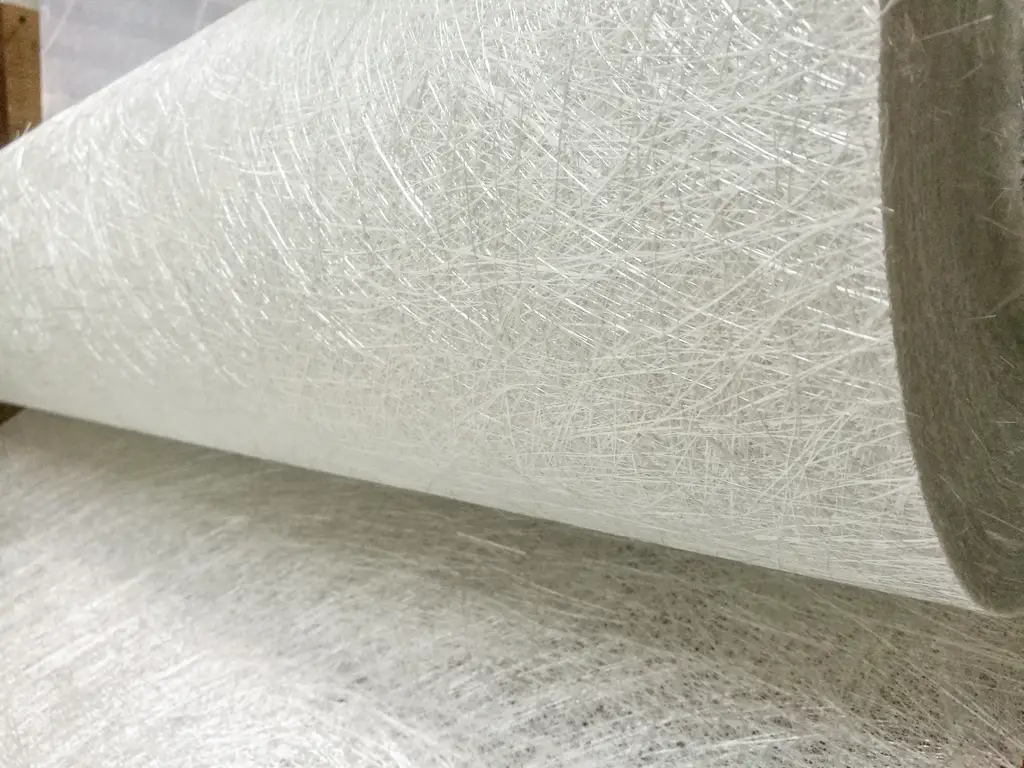
The origins of fibreglass can be traced back to the 1930s when Owens Corning developed the first commercially viable fibreglass. This innovation involved creating thin strands of glass and weaving them into fabrics, which were then used to reinforce plastic materials. This process resulted in a material that was both lightweight and exceptionally strong, opening up new possibilities for a variety of applications.
During the 1940s and 1950s, fibreglass and GRP began to gain significant traction in various industries. One of the first major adopters was the automotive industry. Car manufacturers quickly recognised the benefits of using fibreglass for body panels and other components. Unlike metal, fibreglass does not rust, making it an ideal material for car bodies. Additionally, its lightweight nature contributed to improved fuel efficiency, a crucial factor during times of economic and fuel crises.
The marine industry also saw the potential of fibreglass and GRP. Boats made from these materials were not only lighter but also more resistant to the corrosive effects of saltwater. This led to a surge in the production of fibreglass boats, which are now a common sight in marinas around the world.
The 1960s and 1970s brought further advancements in fibreglass and GRP technology. Improved manufacturing techniques allowed for more complex shapes and structures to be created. This period saw the introduction of new resin systems and better methods for applying fibreglass, resulting in stronger and more durable products.
One significant development was the introduction of vacuum infusion and resin transfer moulding. These processes allowed for more precise control over the distribution of resin within the fibreglass, leading to higher quality and more consistent products. These techniques are still widely used today in the production of high-performance composite materials.
Today, fibreglass and GRP mouldings are ubiquitous. They are used in a wide range of industries, including construction, aerospace, and renewable energy. In the construction industry, fibreglass is used for everything from roofing materials to structural components. Its resistance to weathering and corrosion makes it an ideal choice for outdoor applications.
In aerospace, fibreglass and GRP are used to manufacture aircraft components, including fuselages and wings. The lightweight nature of these materials contributes to fuel efficiency and overall performance. Moreover, the renewable energy sector has embraced fibreglass and GRP for the production of wind turbine blades. The strength and flexibility of these materials make them ideal for withstanding the harsh conditions that wind turbines face.
In addition to their practical advantages, fibreglass and GRP also offer environmental benefits. The production of these materials has a lower environmental impact compared to traditional materials like steel and aluminium. Furthermore, the lightweight nature of fibreglass and GRP contributes to fuel savings in transportation, reducing greenhouse gas emissions.
Discover Our Range of Custom GRP Products!
Contact us today to learn more or regarding our bespoke fibreglass and GRP solutions. Enhance your projects with high-quality, durable, and versatile mouldings from Harviglass. Our expert team is ready to assist you in finding the perfect solution for your needs.


